 TRANSFORMERS & ELECTRICAL COMPONENTS

Winding preparation
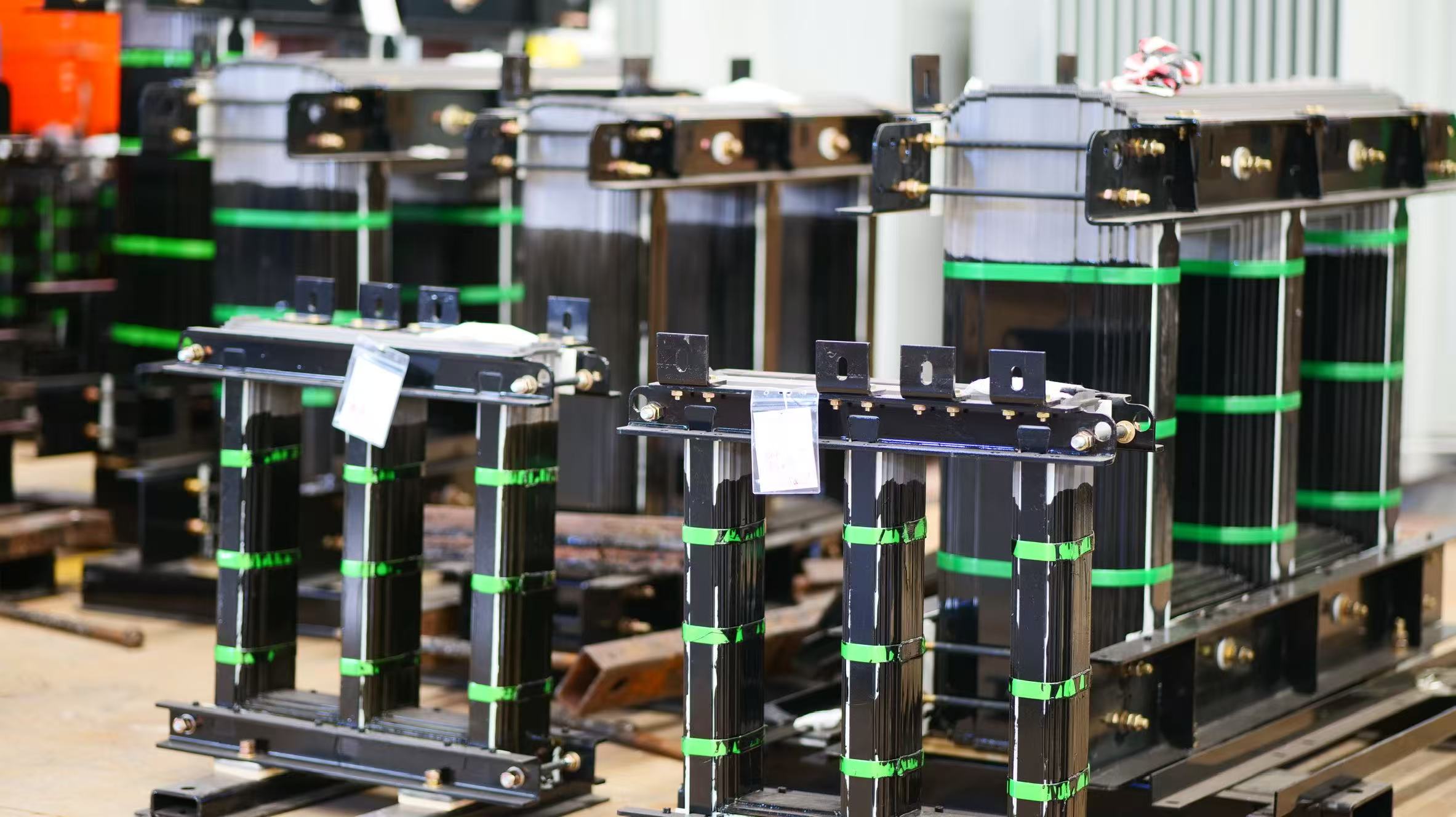
Winding construction is reviewed against the selected transformer design and electrical duty.
Four product ranges · Manufacturing and coordinated supply
Workshop photographs and production footage show the equipment and activities behind the transformer range. Discuss the records and drawings needed for your selected configuration.
Winding construction is reviewed against the selected transformer design and electrical duty.
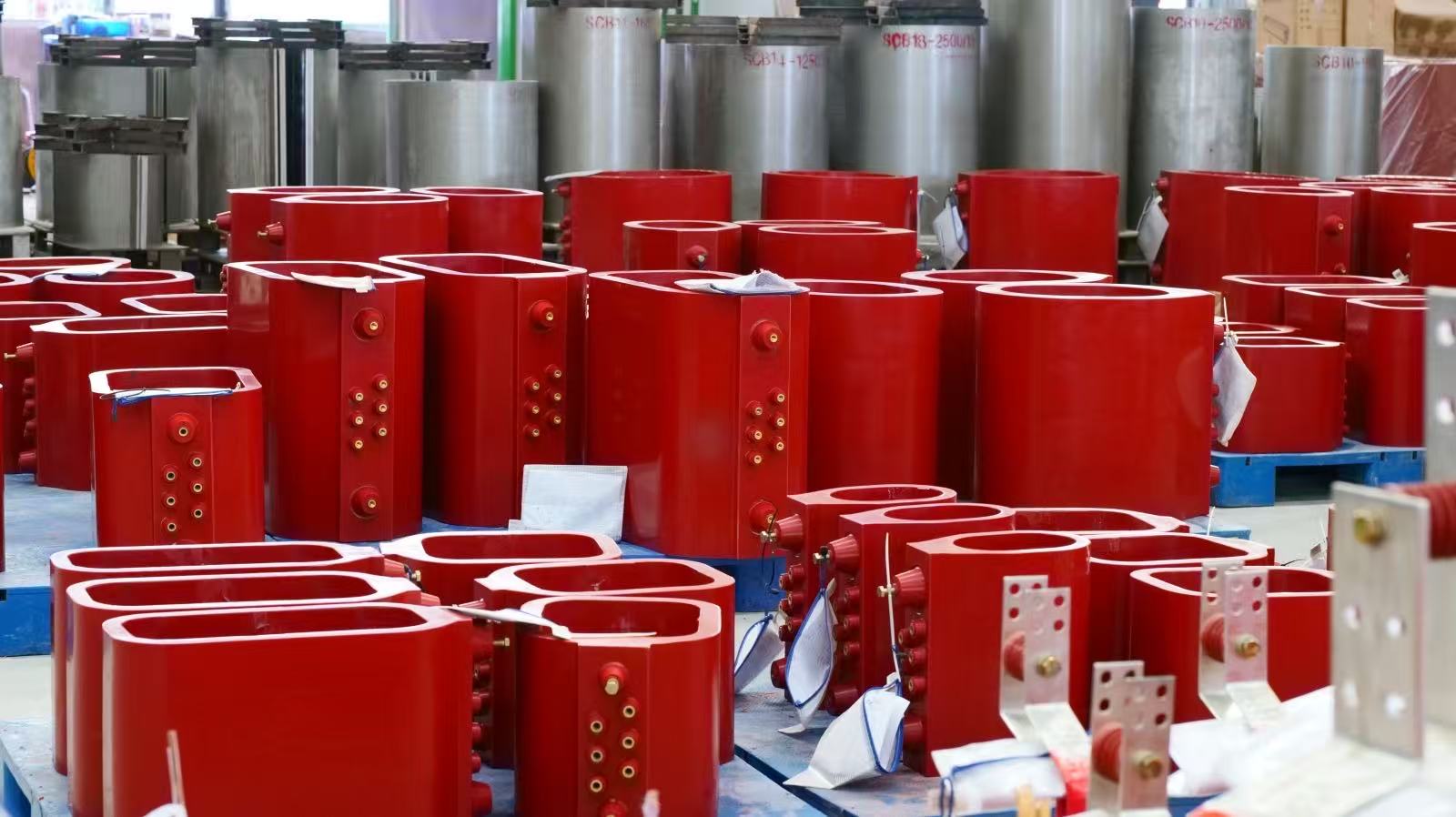
The selected cast-winding configuration and connection interfaces are matched to the approved drawings.
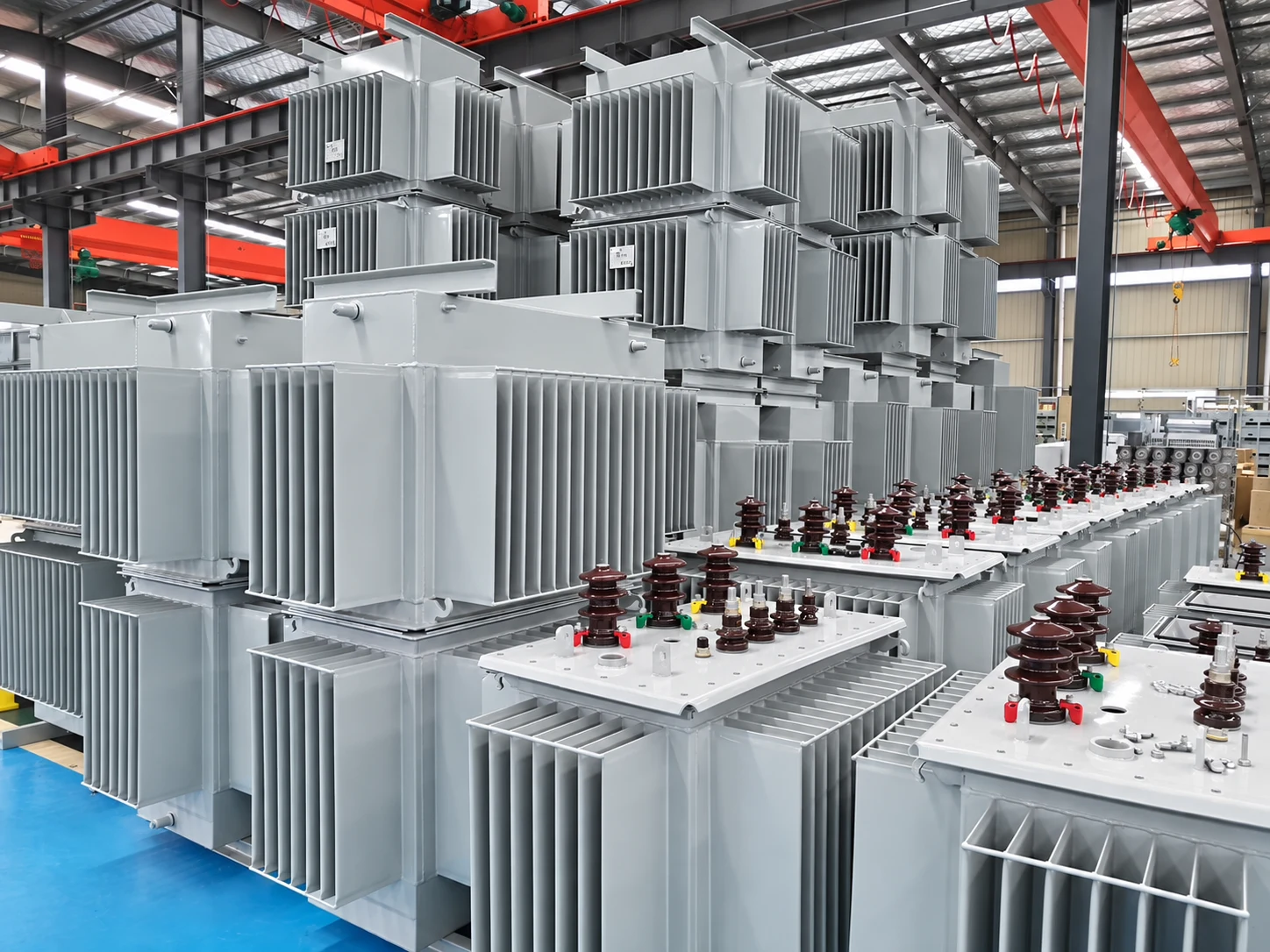
Tank, bushing, cooling and accessory requirements are defined for the selected configuration.
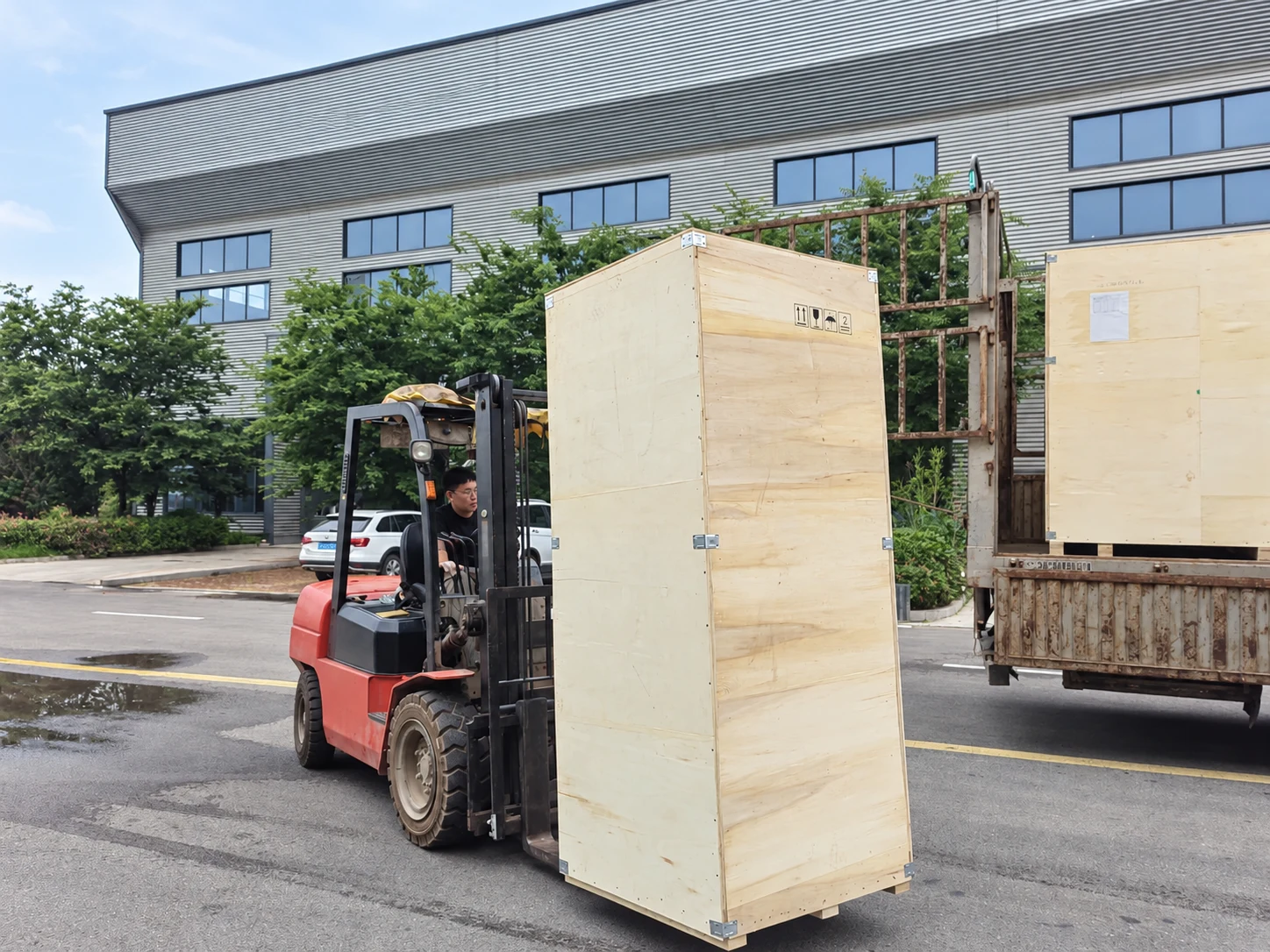
Packing method, handling requirements and shipping marks are agreed for the equipment and destination.
A closer look at transformer assemblies and protected equipment in the factory. Availability and the delivery schedule are confirmed for the selected order.
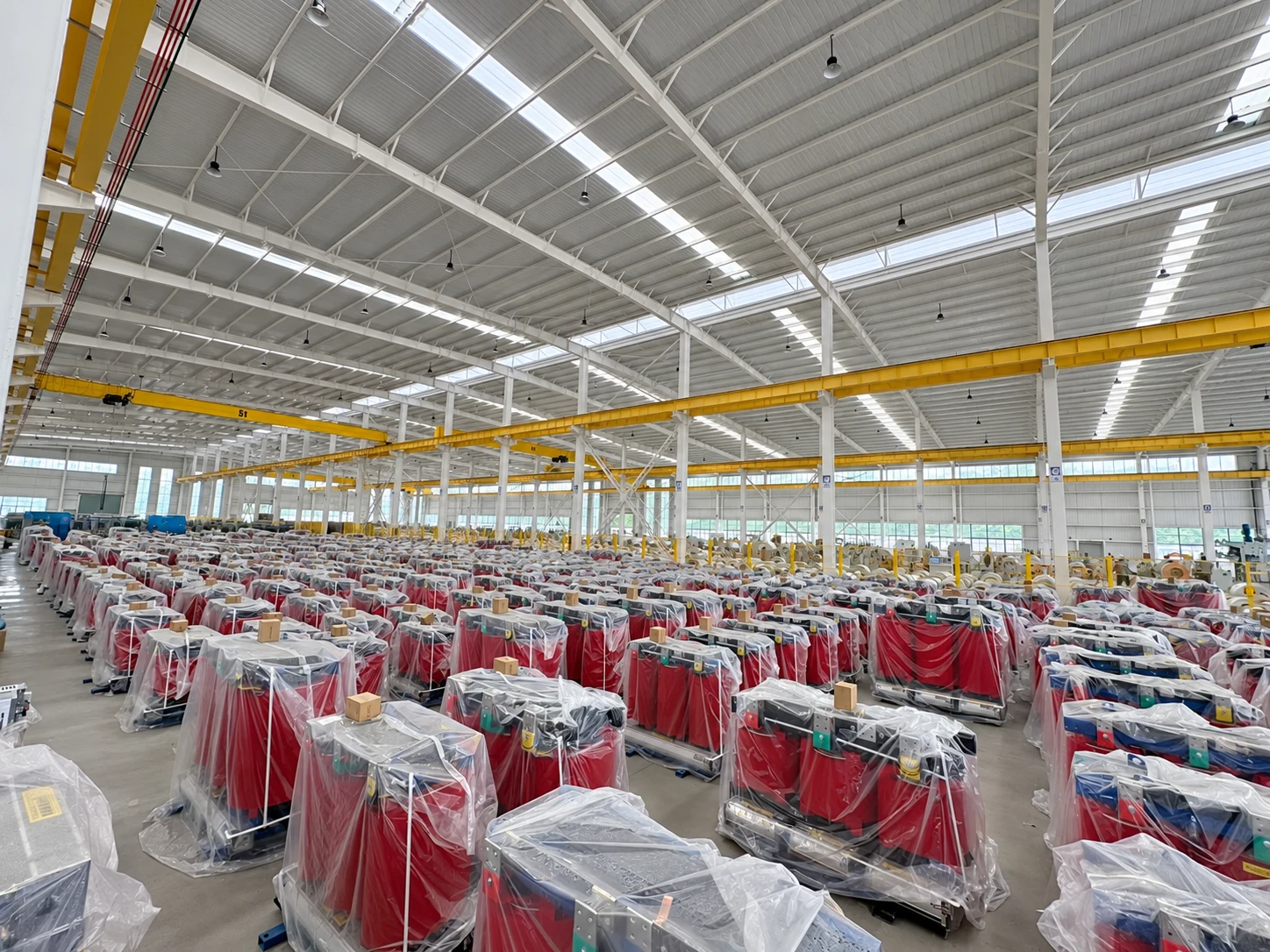
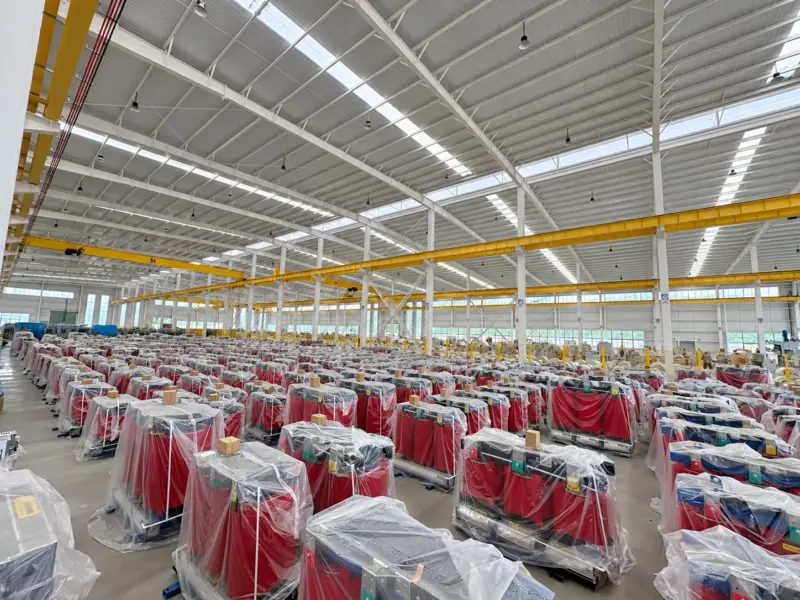
Dry-type transformer assemblies photographed with protective covering in the factory storage area.
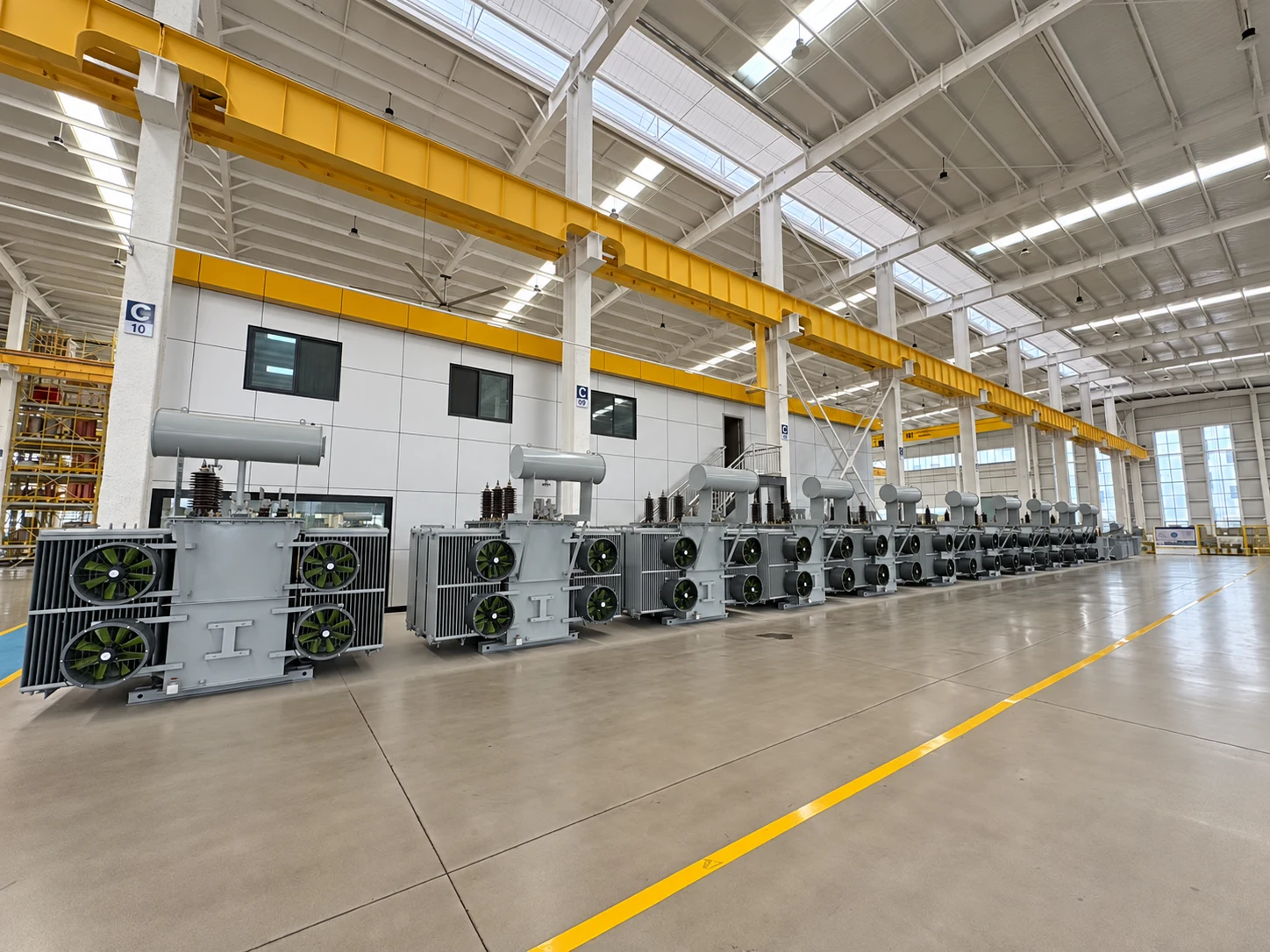
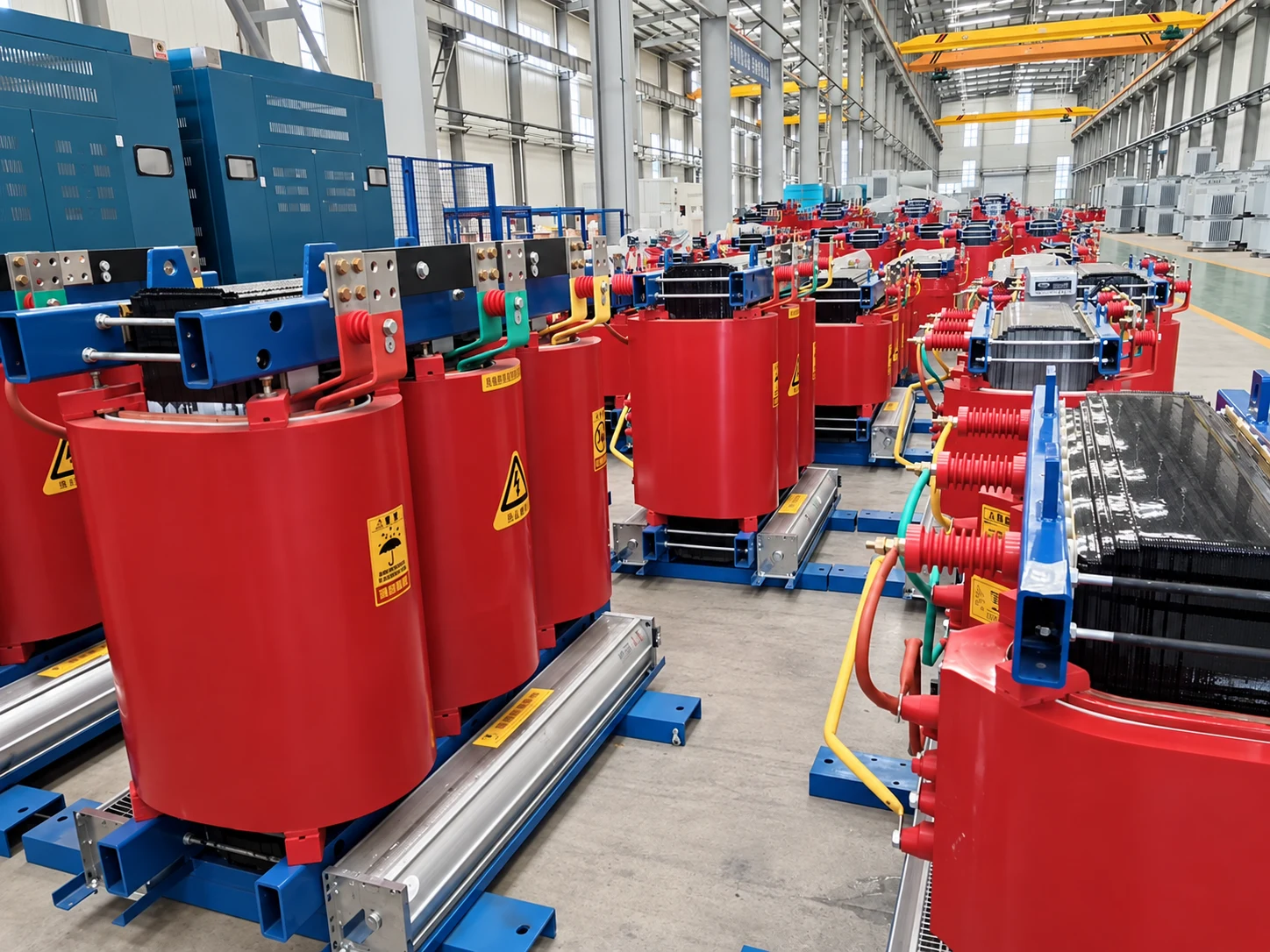
Transformer assemblies with their visible cooling equipment, photographed along the workshop aisle.
Short clips from the supplied factory footage. Use the player controls to start each video.
The workshop shows manufacturing activities. Your technical schedule and approved configuration define what must be checked for the equipment in your order.
Identify the required capacity, voltage, frequency and specified winding or core construction. Reference the exact model and any project-specific requirements.
Review the installation envelope, access route, terminal direction and cable or busbar interfaces against the applicable drawing revision.
Include indoor or outdoor location, environmental conditions, enclosure and cooling requirements, and the monitoring or protection accessories in scope.
Identify the tests, inspection stages, nameplate details and documents required for acceptance. State whether you need a review before dispatch, and agree the arrangements before the order is confirmed.
Agree the documents for the selected configuration before the order is confirmed. Include the project specification and required inspection scope so drawing revisions, nameplate details and acceptance records can be reviewed together.
Discuss drawings & inspection records ↗An equipment reference remains useful after dispatch — for receiving checks, technical questions and future replacement enquiries.
Use the agreed model, nameplate information, accessory list and packing marks when preparing receiving checks. Confirm the drawings and inspection records required with the shipment, including their revisions. Report any delivery discrepancy with the order reference and photographs.
For a later enquiry, include the original order reference and any serial or drawing reference available. Changes to a site, interface or operating requirement should be described alongside the original equipment details.
Find document request routes ↗