 TRANSFORMERS & ELECTRICAL COMPONENTS

APPLICATION / 01
Building distribution
For electrical rooms and combined substations supplying building loads. Coordinate the transformer with the incoming switchgear and the low-voltage distribution arrangement.
Four product ranges · Manufacturing and coordinated supply
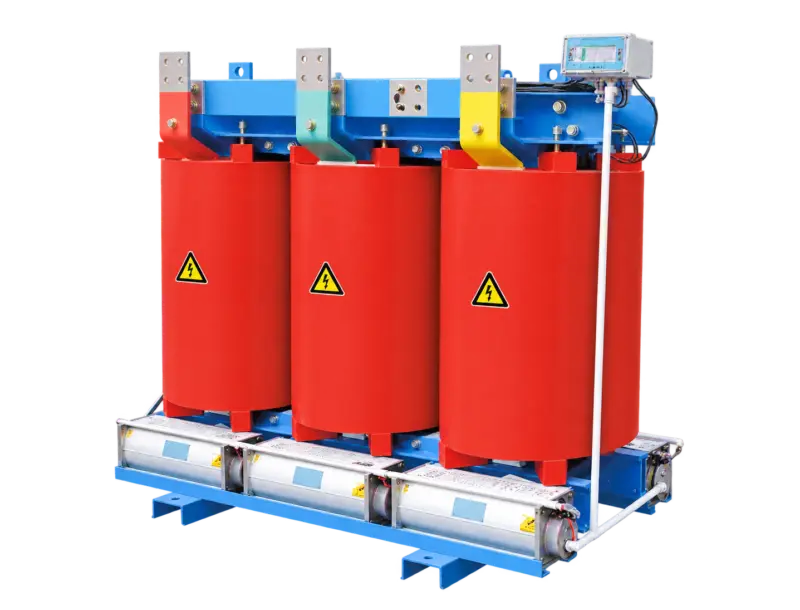
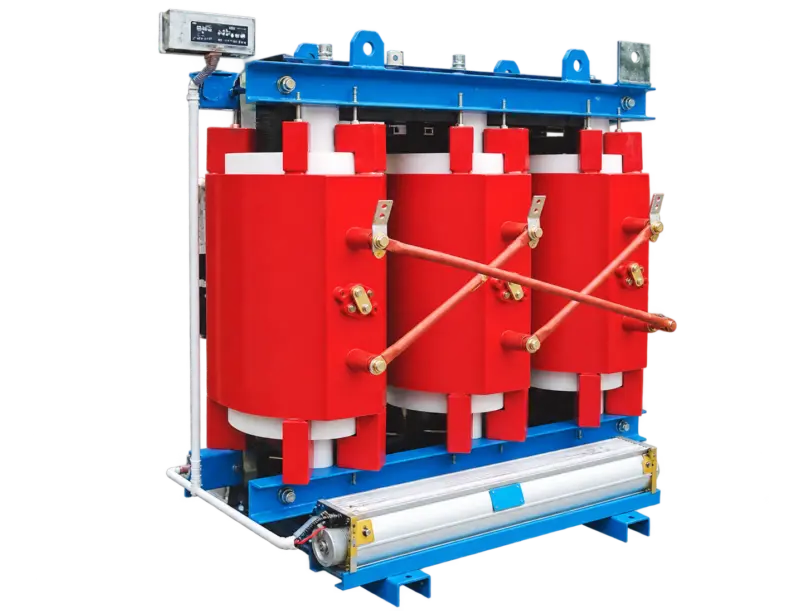
Product illustration. Actual configuration varies by specification.
Open product image ↗Cast-resin dry-type transformer with separate voltage-class variants for building and industrial distribution.
Price on enquiry · Configuration, quantity & destination
Supply scope, manufacturer information, applicable documents and warranty arrangements are confirmed in the quotation and order.
SC(B)10 is a cast-resin dry-type transformer family covering several primary-voltage classes. It can be specified for building and industrial distribution, with the winding voltage combination and performance table selected for the actual network. The 10, 20 and 35 kV variants need separate technical selection.
For electrical rooms and combined substations supplying building loads. Coordinate the transformer with the incoming switchgear and the low-voltage distribution arrangement.
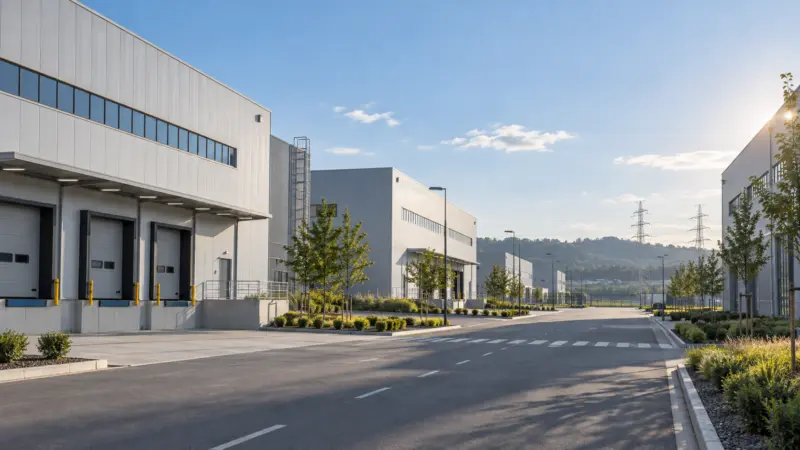
For plant distribution requiring a dry-type transformer. State load characteristics, installation conditions and the primary/secondary voltage relationship.
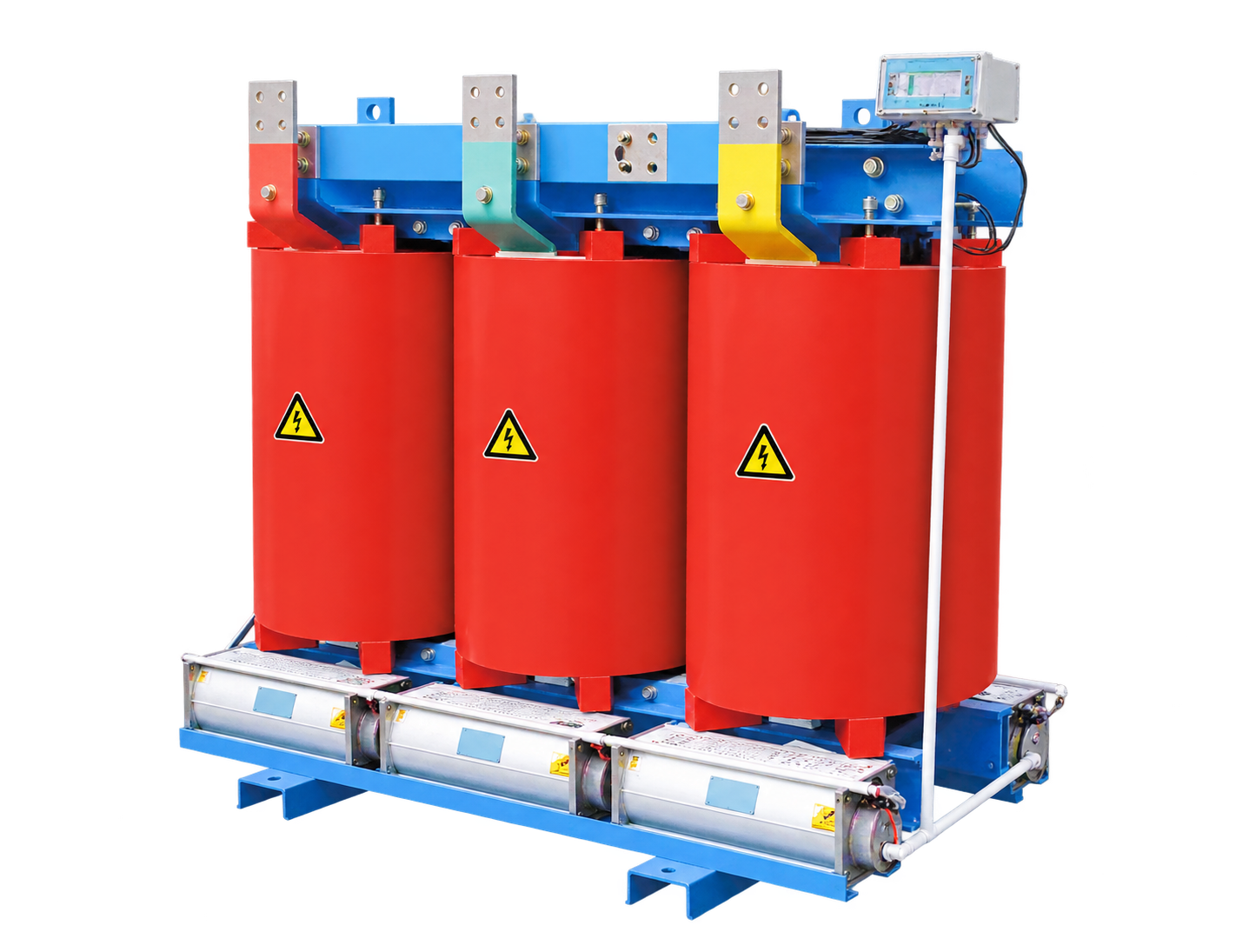
The winding insulation uses an epoxy-resin casting process. Resin mixing and vacuum degassing prepare the mixture before casting, helping the insulation surround the winding and fill the spaces within the assembly.
Reinforcing insulation materials are incorporated within the cast winding structure. The filled resin and reinforcement form a coordinated mechanical assembly around the winding; required short-circuit and insulation test documents should be specified for the selected design.
A foil-type low-voltage winding is an option identified in the series designation. Confirm the actual winding construction with the selected capacity, voltage combination and technical schedule.
The construction combines a laminated silicon-steel core with resin-insulated windings. The high-voltage winding arrangement forms part of the design for the selected voltage class.
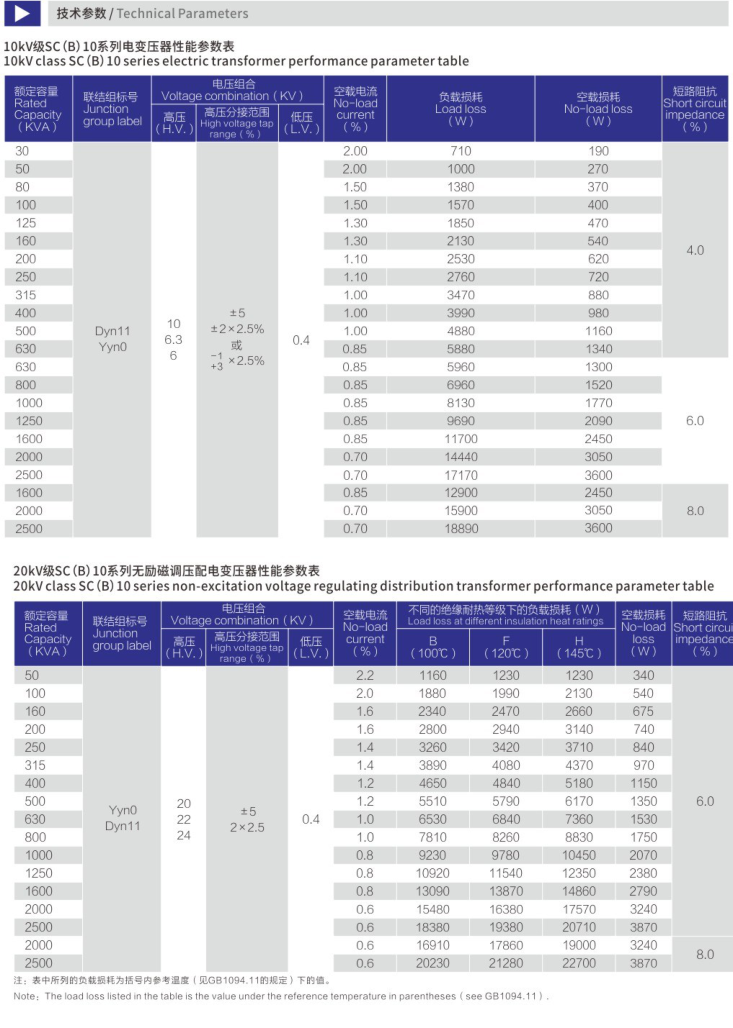
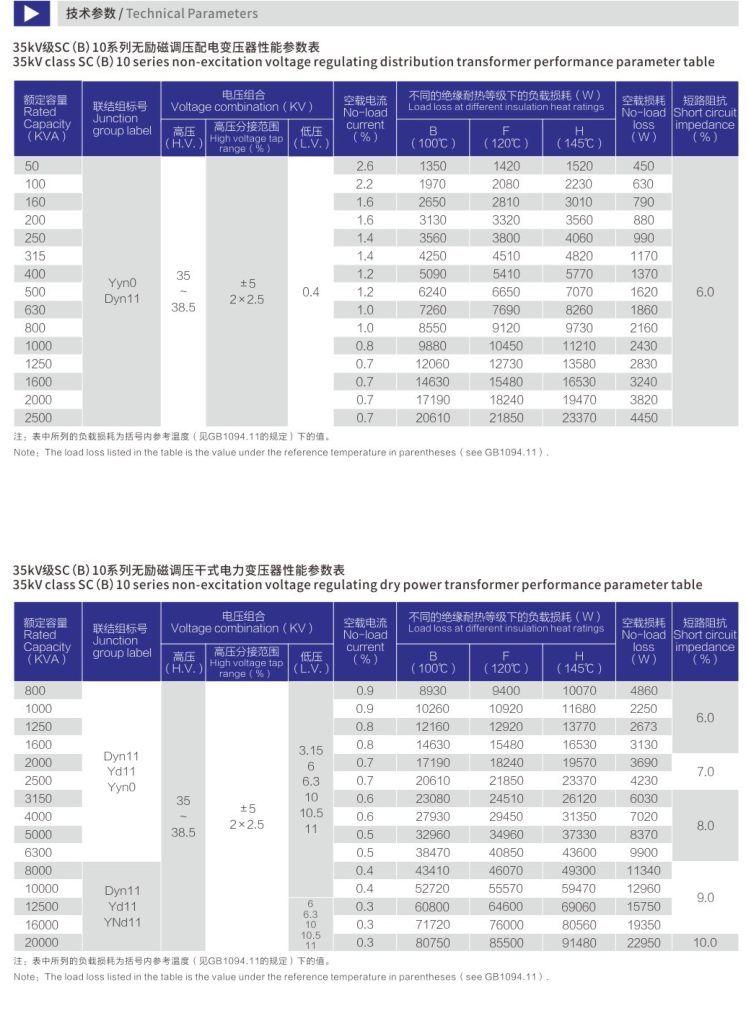
The on-page text table covers the 10 kV class. Additional reference tables cover 20 and 35 kV variants. A loss value or capacity from one voltage class should be selected with its own voltage combination.
Temperature monitoring and fan-cooling arrangements can be specified during selection. Define the expected alarm/trip signals and the operating duty rather than assuming that every auxiliary device is included.
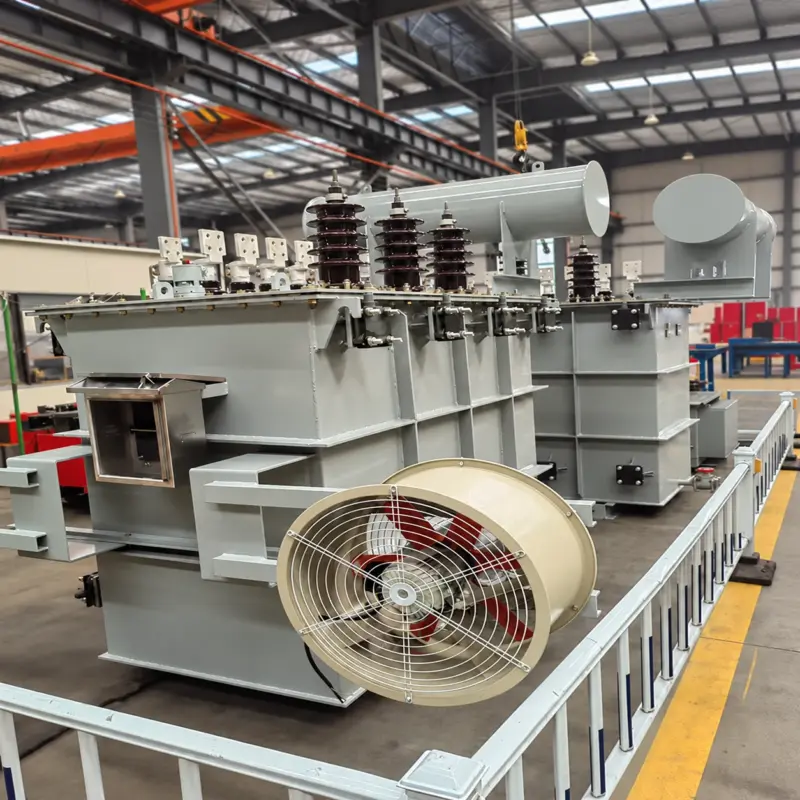
Match the selected transformer to the room layout, terminal arrangement, cooling clearances and approved drawings.
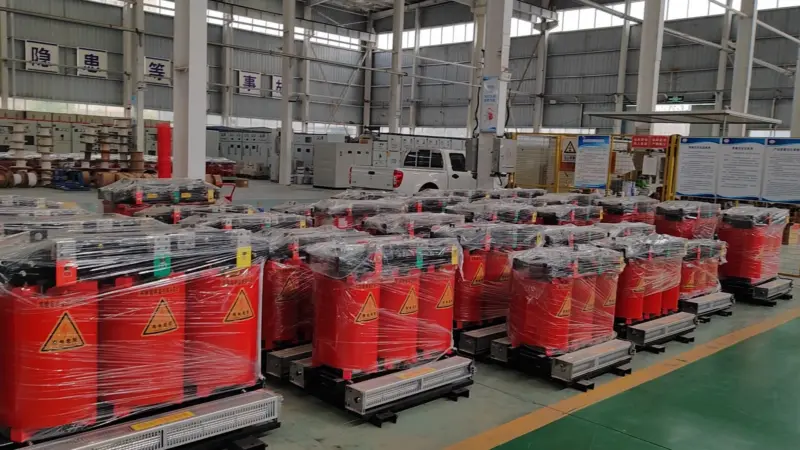
Factory preparation photograph · reference assemblyCompare the capacity and impedance together. You can start an enquiry from a specific row. On a small screen, scroll the table sideways.
| Capacity (kVA) | No-load current (%) | Load loss (W) | No-load loss (W) | Short-circuit impedance (%) | Enquiry |
|---|---|---|---|---|---|
| 30 | 2.00 | 710 | 190 | 4.0 | Request this rating ↗ |
| 50 | 2.00 | 1000 | 270 | 4.0 | Request this rating ↗ |
| 80 | 1.50 | 1380 | 370 | 4.0 | Request this rating ↗ |
| 100 | 1.50 | 1570 | 400 | 4.0 | Request this rating ↗ |
| 125 | 1.30 | 1850 | 470 | 4.0 | Request this rating ↗ |
| 160 | 1.30 | 2130 | 540 | 4.0 | Request this rating ↗ |
| 200 | 1.10 | 2530 | 620 | 4.0 | Request this rating ↗ |
| 250 | 1.10 | 2760 | 720 | 4.0 | Request this rating ↗ |
| 315 | 1.00 | 3470 | 880 | 4.0 | Request this rating ↗ |
| 400 | 1.00 | 3990 | 980 | 4.0 | Request this rating ↗ |
| 500 | 1.00 | 4880 | 1160 | 4.0 | Request this rating ↗ |
| 630 | 0.85 | 5880 | 1340 | 4.0 | Request this rating ↗ |
| 630 | 0.85 | 5960 | 1300 | 6.0 | Request this rating ↗ |
| 800 | 0.85 | 6960 | 1520 | 6.0 | Request this rating ↗ |
| 1000 | 0.85 | 8130 | 1770 | 6.0 | Request this rating ↗ |
| 1250 | 0.85 | 9690 | 2090 | 6.0 | Request this rating ↗ |
| 1600 | 0.85 | 11700 | 2450 | 6.0 | Request this rating ↗ |
| 2000 | 0.70 | 14440 | 3050 | 6.0 | Request this rating ↗ |
| 2500 | 0.70 | 17170 | 3600 | 6.0 | Request this rating ↗ |
| 1600 | 0.85 | 12900 | 2450 | 8.0 | Request this rating ↗ |
| 2000 | 0.70 | 15900 | 3050 | 8.0 | Request this rating ↗ |
| 2500 | 0.70 | 18890 | 3600 | 8.0 | Request this rating ↗ |
Checked against the original transformer catalogue, PDF page 9, printed pages 07/08. This table is the 10 kV series only; see the separate source tables for 20 kV and 35 kV. Select the impedance together with capacity. HV options: 10 / 6.3 / 6 kV; LV: 0.4 kV; vector group: Dyn11 or Yyn0.
Catalogue reference data for the labelled configuration. The agreed technical schedule defines the supplied equipment.
Agree the selected specifications, applicable drawings, inspection records and identification requirements in the quotation and order.
Include quantity, destination, packing requirements and preferred trade terms. Confirm transport scope and the requested delivery schedule with the quotation.
For an existing unit, provide its model, nameplate or order reference and a description of the issue. Include relevant photos or records already available. Warranty and service scope follow the agreed order terms.
Contact about this model ↗Choose your enquiry type. Start with the information you have.
Quotations are prepared for the selected configuration, quantity and destination. Currency, validity, delivery terms, freight and any applicable duties or taxes are specified in the quotation.
New installations & project tenders
Discuss a project ↗Send the load schedule, HV/LV voltages, kVA and site conditions. Identify loss limits, vector group and required tests.
Model lists & repeat orders
Discuss supply requirements ↗List preferred kVA and voltage combinations, destination requirements, quantities and spare-parts or documentation needs.
Equipment integration & matching
Discuss an assembly ↗Provide the substation or equipment layout, terminal positions, cooling arrangement and monitoring interfaces.
Identify an existing unit or part
Identify a replacement ↗Send the nameplate, existing dimensions, cable or busbar interfaces and the reason for replacement.
Illustrative enquiry scenarios.
Testing, warranty terms and after-sales scope are to be agreed in the quotation and order documents for the selected configuration.
Construction: Epoxy resin cast
View specifications ↗Construction: Epoxy resin cast
View specifications ↗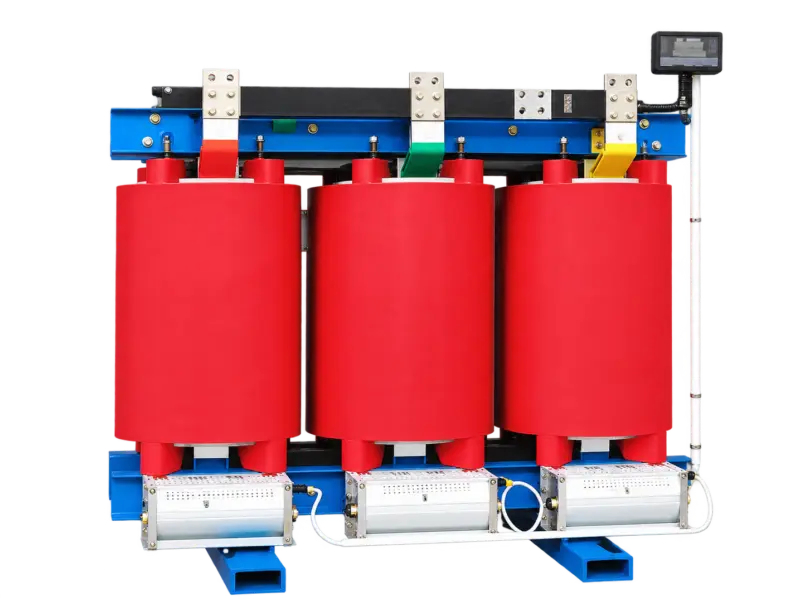
Construction: Epoxy resin cast
View specifications ↗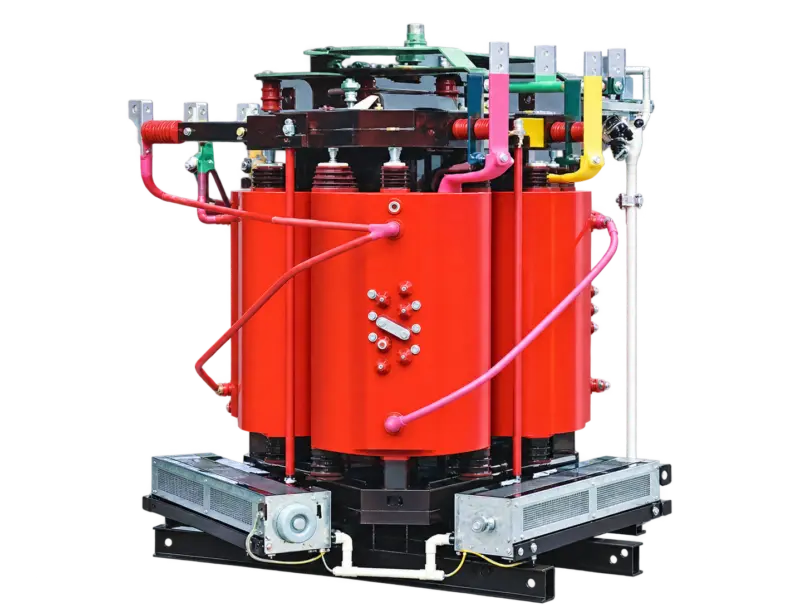
Core: Three-dimensional wound core
View specifications ↗Mingkong Transformer Selection Guide · Updated 24 October 2026 · Chinese / English
For a quotation, include your required model, rating, quantity and operating conditions.
Use these guides to prepare the information for equipment selection and quotation.